.png)
Funeral Car
Critic:
William Curzon
|
Posted on:
Jun 15, 2026

Directed by:
Sam Gannie
Written by:
Anthony Gannie
Starring:
Dave Johns, Debbie Honeywood, Shaun Fagan
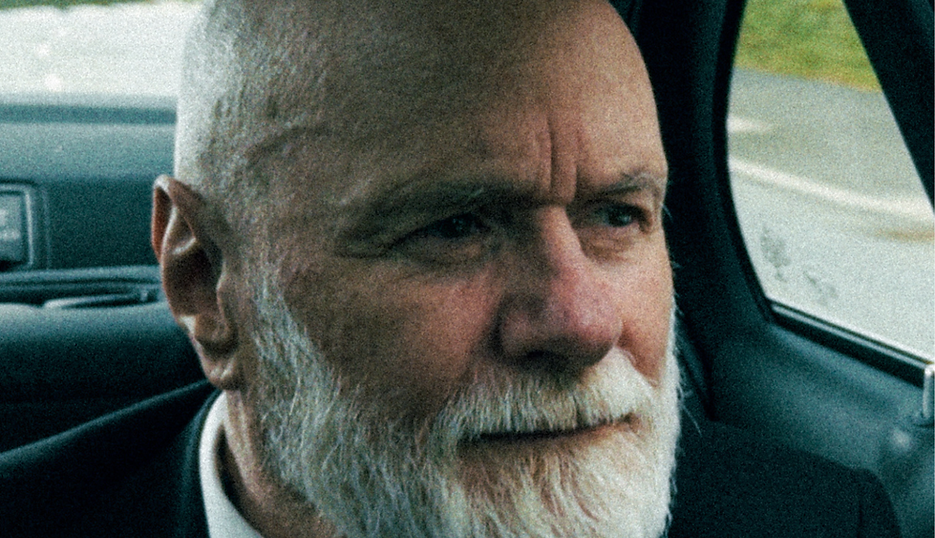
Funeral Car follows a working-class family as they journey together to a crematorium. The piece is set in real time and entirely shot within the confines of a car as the family grapples with grief and reflection. Shot entirely on an iPhone using equipment donated by Danny Boyle directly from the production of 28 Years Later (2025), the short is formally ambitious, employing guerrilla filmmaking techniques to evoke empathy and grief.
One of the most memorable aspects of the short piece is its emphasis on reflection and how each character embodies empathy. While the image of a family sitting alone in a silent car may initially seem isolating to the viewer, it is nevertheless compelling to observe how they navigate and cope with grief. The stripped-back approach is commendable, making each performance feel incredibly authentic. While this approach is apt for the themes and ideas the piece presents, the experience can feel like a chore to sit through at times, due to its lack of engagement and repetition. Despite this issue, it's clearly intended to make the audience uncomfortable, which is what ultimately makes the experience wholly unique.
The camerawork throughout remains entirely confined to the interior of a car, opening with a wide shot from the rear. However, the switch to close-ups from the front of the car is commendable, making the experience intimate and emotionally engaging with each performer. The choice to shoot the piece entirely on an iPhone is a welcome one and makes the experience formally ambitious, especially within an independent short film. Another apt formal choice is the absence of music for much of the runtime, with the resulting silence becoming almost deafening, mirroring the characters’ own sense of isolation within the situation. While it may be jarring for viewers to witness, it is clearly designed with a naturalistic, restrained approach.
The pacing throughout is intentionally slow to allow each character to process their grief and the memories of their loved ones. Sam Gannie, serving as the film's director, allows each performance an opportunity to stand out by ensuring the characters are centred in the frame. His direction is nuanced and deeply engaging throughout. While the opening offers little context for the family’s loss, the performances and direction ultimately communicate the depth of their grief. It's emotionally overwhelming at times, even with the lack of context for the family's loss. The brief inclusion of a musical score is also apt, with its emotionally stirring motifs that fit the piece tonally.
While it's hard to pinpoint a standout performance in the piece, each performance is incredibly nuanced and ultimately anchors the experience through its blend of grief and reflection. The stripped-back approach makes each performance incredibly believable and an intimate portrait of a family processing the loss of a family member.
The piece concludes in a somewhat haunting manner, allowing the viewer to sit with its themes and grasp the depths of the characters’ emotions. The piece resonates deeply despite its singular set piece and limited dialogue, showcasing the profound effect a naturalistic approach can have on a viewer.
Funeral Car is an emotionally stirring portrayal of grief in the wake of loss, with incredible performances to boast. While the musical score and performances do much of the heavy lifting, the unique iPhone camerawork is memorable and makes the experience worthwhile despite its flaws.


About the Film Critic
