top of page
.png)
Search Results
Search this site
All (10134)
Other Pages (3975)
Blog Posts (5322)
Products (33)
Forum Posts (804)
Filter by
Type
Category
804 results found with an empty search
- "Zama" written by Gregory MannIn Film Reviews·May 20, 2018(Release Info London schedule; May 22nd, 2018, BFI Southbank) "Zama" In a remote South American colony in the late 18th century, officer Don Diego de Zama (Daniel Giménez Cacho) of the Spanish crown waits in vain for a transfer to a more prestigious location. He suffers small humiliations and petty politicking as he increasingly succumbs to lust and paranoia. Zama, an officer of the Spanish Crown born in South America, waits for a letter from the King granting him a transfer from the town in which he's stagnating, to a better place. His situation is delicate. He must ensure that nothing overshadows his transfer. He's forced to accept submissively every task entrusted to him by successive Governors who come and go as he stays behind. The years go by and the letter from the King never arrives. When Zama notices everything is lost, he joins a party of soldiers that go after a dangerous bandit. In the twilight of the 18th century, Zama is a minor cog in the Spanish rule of what's now Paraguay. He's stuck in a crumbling South American outpost of the Spanish colony, toiling away in a bureaucracy that treats him as invisible. Far from home and separated from loved ones, he's shunned by his fellow Europeans and unsettled by the.indigenous population. Unpaid for months and longing to reunite with his wife and child, he lives on the promise of a letter from the King that will transfer him to Buenos Aires, but as the years pass, frustration threatens his grip on reality. In the melancholy inspired by tropical heat, he nurses his loneliness and lust by courting the wife of a local aristocrat and contemplating the ennui of colonial pursuits. The film acutely observes the hopelessness of a colonial servant whose fevered fantasies threaten to drive him into an absurd free fall. Lucrecia Martel ventures into the realm of historical fiction and makes the genre entirely her own in this adaptation of Antonio di Benedetto’s 1956 classic of Argentinean literature. In the late 18th century, in a far-flung corner of what seems to be Paraguay, the title character, an officer of the Spanish crown born in the Americas, waits in vain for a transfer to a more prestigious location. The film renders Zama’s world, his daily regimen of small humiliations and petty politicking, as both absurd and mysterious, and as he increasingly.succumbs to lust and paranoia, subject to a creeping disorientation. Precise yet dreamlike, and thick with atmosphere, Zama is a singular and intoxicating experience, a welcome return from one of contemporary cinema’s truly brilliant minds. The film offers scenes from the life of Zama, who's awaiting a letter from the King granting him a transfer from the river town where he's stuck. But his situation is precarious and he's forced to accept submissively every task entrusted to him by successive Governors. When Zama realises all is lost, he joins a party of soldiers going after a dangerous bandit. Like other Western characters stranded in the tropics, Zama's identity is defined by a sense of belonging to, being connected to a notion of Europe, best remembered by those who were never there. Hundreds of years later, South America still faces the same issues of ownership, of land and race, of conqueror and subjugated, of dissatisfaction and fatalist fatigue. A beautifully crafted reflection on the catastrophe of colonialism. "Zama" moves towards the past with the same irreverence we've when moving towards the future. Not trying to document pertinent utensils and facts, because Zama contains no historicist pretensions. But rather trying to submerge in a world that still today is vast, with animals, plants, and barely comprehensible women and men. A world that was devastated before it was ever encountered, and that therefore remains in delirium. The past in our continent is blurred and confused. We made it this way so we don’t think about the ownership of land, the spoils on which the Latin American abyss is founded, entangling the genesis of our own identity. As soon as we begin to peer into the past, we feel ashamed. Zama plunges deep into the time of mortal men, in this short existence that has been allowed to us, across which we slide anxious to love, trampling exactly that which could be loved, postponing the meaning of life as if the day that matters the most is the one that isn’t here yet, rather than today. And yet, the same world that seems determined to destroy us becomes our own salvation: when asked if we want to live more, we always say yes.006
- "Deadpool 2" written by Gregory MannIn Film Reviews·May 15, 2018"Deadpool 2" Deadpool (Ryan Reynolds) returns and this time 'The Merc With The Mouth’s Movie' is bigger and more badass than ever. 'Deadpool' is an apple among oranges, when it comes to superheroes. He's irreverent. He's self-loathing. He's silly, childlike, violent, annoying. He’s a lot of things that other superheroes aren’t and he’s not really even a superhero. He’s kind of an antihero in superhero garb. 'Deadpool' is sort of like 'The ‘Hunchback Of Notre Dame'. He’s disfigured and incredibly empathetic. He’s got a great backstory. There’s the wish fulfillment of a guy who has these healing powers. He’s kind of invincible. And he’s irreverent. He says dark, funny bold shit that you can’t say, but we like to hear. That mixture is great for a character. 'Deadpool' is a self-deprecating, self-hating shame-spiral. Vanessa (Morena Baccarin) is the love of Deadpool’s life. When we first meet Russell (Julian Dennison), he’s at an orphanage run by a crazy, insane man. Russell is at a low point, he’s really angry and sad and just wants to let it all out and blow stuff up. As 'Firefist', he’s able to shoot fireballs out of his hands. His powers are an extension of himself, it’s how he speaks if he’s full of rage. By the end of the film, he's very strong and knows how to use his powers and control them. 'Firefist' provides 'Deadpool' the connection to his old life. Cable (Josh Brolin) is a time-traveling warrior infected with the techno-organic virus that renders him cybernetic. 'Deadpool' is still on the fringe, he hasn’t really made much of his life and he's still scrounging to get by, which is always endearing. The Cable character has also lost a great deal. He has lost his wife and daughter at the hands of a mad man, and he’s doing anything in his power, including traveling back in time, to solve that issue and bring them back. In this, there's an undercurrent of real emotion and depth that counterbalances the humor. It’s not just farce or a romp. It has real emotional underpinnings and the combination is where we like to live. Cable is a stalwart of 'X-Force'. 'Deadpool' is the gateway into the 'X-Force' world, and an essential part. Cable is the straight man to 'Deadpool’s' madness. He provides an almost parallel emotional core. Despite them being very different, they’re very similar in that they’re both broken. They’ve both lost something and are in search of something. Ultimately, they find each other. They're incredibly strong-willed personalities. One sees the world in black and white in a very serious way, and the other sees the world in fuchsia and technicolor and every shade of grey in between. Sparks fly between them. This is not a buddy movie in any way, but you can see the beginnings of a partnership that may yield even bigger results in the future. Domino (Zazie Beetz) is a badass combatant with a unique power. It’s an unknown power of probabilities, kind of a luck power. She’s wonderfully unpredictable in that way. She's also a stalwart of 'X-Force'. It’s this ragtag group of dysfunctional, morally improper or uncentered folks. She doesn’t put up with Deadpool’s shit at all. She rolls her eyes and can’t believe she’s involved with this ragtag group of fuck-ups and yet, that’s exactly where she fits in. She’s sarcastic and sardonic. She goes head to head with 'Deadpool', and doesn’t take his shit. Domino does her own thing. She’s not really a sidekick, she holds her own. She’s a mercenary and does her job and then heads out. She knows what she’s got, and it’s interesting because that can open up the discussion of where does that luck end and begin? Because her past is quite tragic. If everything just works out for you, then what’s the point in even being motivated to do anything? She struggles with that a lot. Negasonic Teenage Warhead (Brianna Hildebrand) has grown and matured a lot since the last film. Maybe she has figured out more about herself. Before, she was really rebellious and she still has an attitude, but she’s more comfortable now and not necessarily trying to rebel as much as she's just being herself. Yukio (Shioli Kutsuna) is very happy Tokyo-style kind of girl, with a very pink, posh hairstyle. But she’s a badass assassin. Yukio is 'NTW’s' new girlfriend. 'NTW' is more cynical and cold, but Yukio is always trying to see the positive side of everything. When Deadpool meets Dopinder (Karan Soni), he doesn’t make fun of him. Instead, he becomes his friend and wants to help. The world of 'Deadpool' is very dark and bloody and Dopinder sees all that. He’s just living with the biggest smile on his face. He’s a cool addition to the universe because the movie is quite dark and it’s nice to have this bright light walking and driving around everywhere, innocent. In the second movie, Dopinder’s motivation has changed. In the first, he’s romantically motivated. In this one, he’s motivated by 'Deadpool'. He looks up to him and wants to be like him. Weasel (T.J. Miller) is back as 'Deadpool’s' confidante. Besides running the mercenary bar, 'Sister Mary Margaret’s School For Wayward Girls', he deals weapons. So that’s a big part of what’s mysterious about him. How does he have all these hook-ups? He doesn’t have any friends except 'Deadpool'. He’s a confusing dude at times. Weasel and 'Deadpool' are not partners. They work together, but Weasel bets on him to die. The only reason they’re friends is there’s no one more selfish than the other one. Blind Al (Leslie Uggams) is 'Deadpool's' unlikely roommate. She doesn’t care, she says exactly what's on her mind, and she likes throwing those F-bombs. It's fascinating, because you think that because she’s blind, she’s going to be quiet, kind of sedate. And she's totally the opposite of that. She’s been around the block, she doesn’t take any nonsense and she just says whatever she wants to say. That's why the relationship between her and Deadpool is terrific. It’s kind of like best buddy, mother-son, because he knows that anything he says is safe with her. But any BS that he tries to pull she’s right there to tell him but quick with one line what needs to be done. She kind of like the priest when he needs to confess certain things. She’s there to listen and try to give him advice. Their relationship is more than just a roommate situation, there’s a deep friendship between them. Black Tom (Jack Kesy) iscone of the inmates of the mutant prison, where all the mutants wear dampening collars to prevent them from using their special powers. When 'Deadpool' and Russell arrive at 'The Mutant Prison', Black Tom and his sidekick Sluggo (Robert Maillet), have it in for them. Tom menaces young Russell. Black Tom sees vitality, youth, strength, power, his potential; and he wants all of it. He’s always scheming, trying to find a way out. 'The Broadstone House, Essex School For The Young' tries to teach mutant children to suppress their urges to explore their abilities. 'The Headmaster' (Eddie Marson) is a genetic fundamentalist who tries to tell children to control their urges. The orphanage is full of young mutant children with extraordinary powers. 'The Headmaster' has developed a type of cognitive therapy that stops them from exploring these abilities. He has created a form of torture so that whenever they think about using their powers, they remember the pain he’s inflicted on them and that stops them using it. 'The Headmaster' tortures Russell just as he tortures the other mutant children. One of the reasons why Russell turns bad and becomes dangerous is because of what 'The Headmaster' has done. Colossus (Andre Tricoteux) comes from Russia and he’s one of the original 'X-Men'. He’s educated, stoic, well-mannered, polite, and rarely loses his temper. He looks out for everybody else; the prototypical big brother. He turns into metal and obviously has great strength, speed and power. 'Deadpool' and Colossus have always had a kind of big brother/little brother thing. Colossus is 'Deadpool’s' moral compass, he’s always trying to keep him on the straight and narrow. He tries to help train him to become an 'X-Man'. And of course, 'Deadpool' finds ways to screw everything up. Bedlam (Terry Crews) can manipulate electrical fields and he can cause you pain and make you confused. It’s a very psychological weapon; he literally sends his brain power. Shatterstar (Lewis Tan) is a bioengineered warrior from a different planet that's raised as a gladiator. He fights for money and performance. He’s got a badass haircut, and hollow bones. He uses swords and he can channel shockwaves through them. He was engineered to be the greatest warrior and he’s a natural born killer. Zeitgeist (Bill Skarsgard) can puke acidic vomit and incinerate people. Peter (Rob Delaney) is a regular dude who, for some reason, answers an ad that 'Deadpool' puts in the paper. Everybody else who answers is a legitimate superhero with either mutant powers or some kind of other powers and then there’s Peter, who has no powers at all. He’s earnest and has no bullshit and 'Deadpool' admires that because everybody else is like. As little as six years ago if someone talked about a "Deadpool" sequel you would’ve looked at them like a dog looks at grapes. But here we're, millions of tickets and billions of tacos later and the world is a different place. Yet one thing remains the same; people love sequels. And that’s where this film totally succeeds. The film takes some liberties, but he sticks true to the sources. 'X-Force' is the second best-selling comic of all time. The film creates a couple of different cool universes, but there’s something that’s undeniably fascinating about the 'Deadpool' universe; it re-imagined the action-comedy. The beauty of “Deadpool” is, the more obscure the reference, the funnier it's. There’s the satire and the irreverence of the R-rated comedy, and this over the top action. It’s going to be jaw-dropping. ”Deadpool” does not take the genre seriously, and it also doesn’t take itself seriously. In this movie, 'Deadpool' makes fun of himself. He makes fun of the writing. He makes fun of Fox. He makes fun of all the things associated with the franchise, so it softens those jokes about other people when we’re also willing to make jokes about ourselves. “Deadpool” is known as a comedy, but there’s a real beating heart to it. The secret sauce of “Deadpool” is this emotional core. It’s a character that’s been kicked and knocked down, and life’s been really tough on him, as a character with cancer and this terrible scarring on his face. Kids related to 'Spider-Man' because it was a nerdy little kid, and then he put on the mask and he was this amazing super hero. And people tap into 'Deadpool' because they see a character whose life has been tough and he somehow overcomes it all, laughs about it and wins in the end. “Deadpool” is finding that balance between the comedy, the action, and the emotion. Comics are like 'The Bible'. You better stick to exactly how that character is in the comics. “Deadpool 2” is filled with an assortment of nasty antagonists, but there's no one main villain. 'Deadpool’s' a character who breaks all the rules, he breaks the fourth wall. We, in turn, do the same. The film doesn’t have the traditional mustache-twirling villain. It’s an unusual structure. To keep storylines and even characters under wraps, the film creates code names for every key character in the script, and the actual title as well. Sometimes it's like working at 'The CIA'; for the goal of keeping the movie fresh and not spoiling it for anybody. But if all the secrecy pays off, fans will be more than a little surprised to meet a slate of previously unannounced superheroes that 'Deadpool' recruits to go up against an ultimate foe. As they’re about to embark on their maiden mission, they dub themselves 'X-Force'. There are a number of exciting gags, and just trying to figure out the balance between visual and practical effects..The aesthetic feels earthy. It’s soulful and there’s something kind of retro about it, too. "Deadpool 2” is bigger, crazier, than the first. All of the set pieces are three times what you saw in the first one. The challenge is always do something you haven’t done before and keep everything new and dynamic. Is "Deadpool 2" better than "Deadpool? Not really. But it’s still pretty damn good.0010
- "Paw Patrol: The Movie" written by Gregory MannIn Film Reviews·August 7, 2021(■ Paw Patrol: The Movie showtimes in London Mon 09 AUG ● Cineworld Leicester Square.5-6 Leicester Square, • 11:30 • 13:50 ● Vue Cinemas - Piccadilly (Apollo), 19 Lower Regent Street, • 12:00 • 14:15 ● Vue Cinemas - West End, 3 Cranbourn Street, Leicester Square, • 10:00 • 12:30 • 15:55 Vue Cinemas - Islington, Angel Central, Central Shopping Mall, 36 Parkfield Street, • 10:00 • 12:30 • 15:15 Fulham Road Picturehouse, 142 Fulham Road, • 13:15) https://we-love-cinema.com/movies/54311-paw-patrol-the-movie/ https://ttrp-www.cineworld.co.uk/films/paw-patrol-the-movie/ho00007948#/buy-tickets-by-film?in-cinema=london&at=2021-08-09&for-movie=ho00007948&view-mode=list "Paw Patrol: The Movie" In it's first motion picture event, 'The Paw Patrol' is on a roll! When their biggest rival, Humdinger (Ron Pardo), becomes mayor of nearby 'Adventure City' and starts wreaking havoc, Ryder (Will Brisbin), and everyone’s favorite heroic pups kick into high gear to face the challenge head-on. While one pup must face his past in the bustling metropolis, the team finds help from a new ally, the savvy dachshund Liberty (Marsai Martin). Armed with exciting new gadgets and gear, 'The Paw Patrol' fights to save the citizens of 'Adventure City'! The film opens in familiar territory, the pups’ home base of 'Adventure Bay', but when the pups get a call for help, they pack up 'The Paw Patroller' and head off to the booming metropolis of 'Adventure City. Unfortunately for it's residents, newly elected Mayor Humdinger is already causing new problems. So, the pups have to jump into their all-new vehicles and spring into action to keep the city safe. Indeed, Humdinger’s name pretty much says it all. The self-involved, self important, self-impressed, and cat-loving official has a strict edict of, surprise!, No. Dogs. Allowed. But little does he know that the world’s greatest team of canine rescuers are on the way to stop his plans of turning 'Adventure City' upside-down with corruption and crazy capers. We learn the moving and emotional backstory of police pup Chase and of the fears he must overcome to become the hero 'Adventure City' needs. Ryder is the resourceful and fearless leader and mentor of the pups. Ryder’s favorite sayings are 'No job is too big; no pup is too small!' Chase (Iaia Armitage) is a 'German Shepherd' who serves as a police dog and is, like Ryder, a natural leader. His pup house is a police station that transforms into a police truck. Chase gets a new car that's super fast, has a shield-mode when things get dangerous, and there's even a motorcycle hidden inside of the vehicle. He's prepared for all challenges, so it’s no surprise that he is known to tell everyone, Chase is on the case ready for action', There’s also a lot to love about Liberty’s hometown, 'Adventure City', Rubble calls it supersized!, but for one pup, Chase, it brings some trepidation. He’s not sure he wants to be there, and we soon learn why. Chase’s confidence falters, and his journey is to find it. Chase thinks about where he comes from but at the same time, how much he’s grown since then, now that he has this family as a support system. Chase is a funny, smart, quick and brave pup. In fact, all the pups are funny, relatable, and smart. Marshall (Kingsley Marshal) is the team’s brave firedog, and an excitable, all-action 'Dalmatian' pup. He’s always fired up and ready to roll. Marshall’s house transforms into a fire truck or ambulance, depending on the type of rescue. Marshall shines, as always, a perfect combination of fun and heroic. Of course, he has the biggest vehicle in 'The Paw Patrol', and has an awesome moment with its water cannon, which puts out the fires from Humdinger’s crazy fireworks. Perhaps Marshall’s coolest moment is when he unfurls his endlessly long ladder for a rollercoaster rescue. The ladder converts into a slide, and who wouldn’t want to go down that slide and land in Marshall’s fire truck. Skye (Lilly Bartlem) is a cute and smart 'Cockapoo' puppy, Skye is a fearless aviator and daredevil who will try anything to complete a rescue. Her house is an 'Airstream' trailer that transforms into a helicopter, and her pup pack opens to reveal wings that let her take flight. This pup’s gotta fly! Syke has a spectacular rescue in the movie, sacrificing her copter to take down a gizmo known as 'The Cloud Catcher' (Ian James Corlett), which has created powerful and dangerous storms enveloping 'Adventure City'. Rubble (Keegan Hedley) is a construction 'Bulldog' who's tough and gruff but possesses a heart of gold. Rubble’s construction office pup house becomes a digger with a bucket shovel, drill, and auger. His motto: 'Rubble on the double'. Rubble provides much comic relief throughout the story. But like all the other pups, Rubble is also heroic and has a great moment using his cement mixer to prevent disaster with an out-of-control rollercoaster, which is the result of Humdinger’s dumbest idea ever: an upside-down subway/hyper-loop. In another scene, Rubble uses his wrecking ball to crush through a Humdinger-run doggy day care center to rescue Chase and release other pups who’ve been trapped there. Rocky (Callum Shoniker) is a master of recycling and a mixed breed, creative canine. His pup pack contains a mechanical claw, as well as tools like a screwdriver and ratchet. Rocky has a great moment during which a wild fireworks display, unleased by Humdinger, is put out by the pups, and Rocky scoops up all the remaining fireworks into the back of his vehicle and crushes them, for recycling. But there’s still some life left in the fiery display, which causes Rocky and his truck to bounce up and down like he’s riding a bucking bronco. In that moment, you get to see how much fun the pups have, even when they’re in the middle of the most intense rescue. Zuma (Eva Olivia) is a water rescue 'Labrador' pup, whose pup pack contains air tanks and propellers that enable him to dive and swim under water. Liberty is a long-hair miniature dachshund who has grown up in the streets of 'Adventure City'. She's 'The Paw Patrol’s' number-one fan, and dreams of one day joining their ranks, though Liberty never could have imagined that she’d be going on adventures with them in her home city. But the great thing about Liberty is that she always stands up for what’s right. She has all the qualities that make her a perfect fit for 'The Paw Patrol'. The key thing about Liberty is her extraordinary optimism and confidence, She’s a joyful character who sees the best in everyone, loves her city, and wants to protect it from the moment Humdinger enters the picture. So, she calls 'The Paw Patrol'. Liberty brings great energy to the team and makes an easy connection with all the pups, They’re funny, lovable, and many people’s best friends. And the pups in "Paw Patrol' are saving the world, have awesome pup packs, cool cars, and amazing helicopters and motorcycles. Gus (Tyler Perry), a cantankerous truck driver, is rescued by the pups prior to their arrival in 'Adventure City'. He makes his way through 'Adventure Bay', pulling a load of 'Canadian' maple syrup. He’s drinking a slushy, which falls on his lap, and causes him to lose control. Looking for the helpers when you’re young is so important. The rescues and adventures are inspiring to kids, and helps them learn about helping, doing the right things for others, and just being all around good people. That’s a profound message, and it’s what’s drew us to 'Paw Patrol' all these years. Delores (Kim Kardashian), a pampered poodle who’s all bark and no bite. She finds herself aligned with 'Paw Patrol’s' efforts to stop Humdinger’s dastardly deeds. Delores is a 'Valley Girl' poodle pup, who doesn’t mess around with other pups. She doesn’t want to be pushed around and is really sassy and funny. She has little in common with 'The Paw Patrol' pups, and she really doesn’t have their ‘vibe.’ She doesn’t like to get dirty. It’s fun to see a pup like that enter 'The Paw Patrol' world. Another celebrity fan and now, part of 'The Paw Patrol' family, is news reporter Marty Muckraker (Jimmy Kimmel). He’s a, well, dogged correspondent if you will. Marty is always on the scene and reports the news honestly. There’s no fake news in Marty’s reports, much to the chagrin of Mayor Humdinger, for whom Marty is a thorn in his side. While Kimmel’s Muckraker is reporting on Humdinger’s nefarious plans, the latter’s henchmen, Ruben (Dax Shepard), and Butch (Randall Park), are doing everything they can to ensure the villainous politico’s success, albeit in their own comically brutish and incompetent ways. Ruben and Butch are lower-echelon goons. Ruben is a kind of low-rent Jersey gangster who’s made his way into Mayor Humdinger’s circle. Ruben is disreputable, prideful, thin-skinned, and always searching to advance his status. Another character new to 'The Paw Patrol' universe is Kendra (Yara Shahidi), a super-nerdy scientist and Humdinger’s lead egghead, who's employed by the clueless mayor to create a weather control machine known as 'The Cloud Catcher', which will ensure eternally sunny skies above 'Adventure City'. As with all of Humdinger’s humdingers, things go awry, and Kendra must enlist the help of 'The Paw Patrol' to save 'Adventure City' from meteorological catastrophe. Kendra has a big part to play in this film because she’s been forced to use her invention, 'The Cloud Catcher', at Humdinger’s whim, which causes a chain reaction leading to disaster. Kendra’s never-ending stream of four or five-syllable words was the hardest part of getting my mind around the character The series 'Paw Patrol' debuted in 2013 on 'Nickelodeon', becoming an instant hit and thrilling youngsters around the country, and, ultimately, the globe. It now airs in 160 countries. For many years, the fans have watched 11-minute or 22-minute stories on television, but we always knew that the characters and their world could hold up to a much bigger scope. As created by Keith Chapman, 'Paw Patrol' focuses on a 10-year-old named Ryder, a precocious young man and the rescuer, leader, and teacher of a team of pups who join forces on missions to protect the bucolic, sleepy little town of 'Adventure Bay'. Each pup has a specific and impressive set of skills based on first responder professions, such as firefighter, police officer, pilot, and water rescue. They live in doghouses that transform into customized “pupmobiles” for their thrilling adventures. 'Paw Patrol' is one of the most exciting shows in the pre-school space. It entertains, empowers, and connects with kids, while teaching them to be good citizens through teamwork, loyalty, and friendship. The film tells a big story with an emotional impact and find out what makes some of the characters tick. The action is thrilling, but safe, and features cute, cuddly, smart, heroic, empowering, and aspirational pups. They’re your best friends. The movie celebrates the themes of being there for your friends and family, and being a good citizen, all in the context of 'The Paw Patrol’s' biggest adventure. So so, okay if you don't pay.0052
- "Two Of Us" written by Gregory MannIn Film Reviews·October 28, 2020(Release Info London schedule; November 13th, 2020, Curzon Home Cinema) https://www.curzonhomecinema.com/film/watch-two-of-us-film-online "Two Of Us" Two retired women, Madeleine Girard (Martine Chevallier) and Nina Dorn (Barbara Sukowa) live opposite each other in the same building in a small, French provincial town. The narrow corridor separating their homes is convenient, as they spend a lot of time together, way more in fact than anyone suspects. Their affair has been secret for decades, and these two elderly ladies have made detailed plans to spend their old age together abroad. Everybody, including Madeleine’s family, thinks they're simply neighbors, sharing the top floor of their building. They come and go between their two apartments, enjoying the affection and pleasures of daily life together, until an unforeseen event turns their relationship upside down and leads Madeleine’s daughter to gradually unravel the truth about them. To do this, they will have to sell their apartments, but Madeleine hesitates. Family secrets and medical fate appear to be ruining Nina and Madeleine's relationship. Or is it indestructible after all? How is she going to tell her son Frédéric (Jérôme Varanfrain) and daughter Anne (Léa Drucker), who think that their father who died a long time ago was the love of her life? The film is centered on a couple of women in their seventies who are secretly in love. The two women are widows in their seventies, who warded off loneliness by constantly keeping their doors open and making the landing between them part of an enlarged apartment that covered the whole top floor. The front doors of the two apartments up there are open, and the voices are those of two women talking to each other from their respective apartments. We lingered for a few minutes, unseen and in silence. It really is very intriguing. The protagonists live together in that way, hiding their romantic involvement by appearing to the world to be mere neighbors. Nina and Madeleine conceal their relationship from their families. Life imitating art. The architectural aspect is at the core of the film. The two interconnecting apartments are the protagonists living space and, at the same time, a symbolic place that reflects and expresses their dealings with the outside world. In Madeleine’s apartment, every detail, every object tells the story of her family. It's coziness constantly reminds us of the burden weighing on her shoulders, the bonds around her, the chains holding her. Nina’s apartment is more mysterious. We only see it later in the movie, just as the character gradually reveals herself. As for the landing, it's the pivotal space between the two apartments. The two front doors, which are always open initially, start to shut, turning this porous space into a kind of border. Those images - open doors, closed doors, seemed a simple and effective metaphor for Nina’s exclusion by Madeleine’s family. The obstacles that stand in their path sometimes lead Nina and Madeleine to extreme behavior. Anne, Madeleine’s daughter is an oppressor. Anne is an incredibly loving daughter who always looked up to her mother as a role model. She would do anything for her, but she's rattled when she finds out that Madeleine has been living a lie. That explains the harshness of her reaction. Each character has light and dark sides. What inner conflict roils us when confronted with that kind of censorship? The film tells the story of a struggle, the story of a passion that's as obstinate as it's affectionate. But that struggle is also a way to explore issues that fascinates. The inspiration for the complexity of the protagonist's life choices and their inability to completely own them, with regard to their families, come from various people, whose trajectories make a deep impression on us. An eye looking through a peephole, an intruder in the night. The idea is to borrow from the codes of suspense, while reinterpreting them so they sit coherently with the universe of the film.0034
- Top Gun: Maverick ReviewIn Film Reviews·June 1, 2022After more than 30 years as one of the Navy's top aviators, Pete "Maverick" Mitchell is where he belongs, pushing the envelope as a courageous test pilot and dodging the advancement in rank that would ground him. Training a detachment of graduates for a special assignment, Maverick must confront the ghosts of his past and his deepest fears, culminating in a mission that demands the ultimate sacrifice from those who choose to fly it. ★★★★ Directed by: #JosephKosinski Starring: #TomCruise #MilesTeller #JenniferConnelly #JonHamm #GlenPowell #LewisPullman #EdHarris #ValKilmer Released: 27th May 2022 Film review by: Ahmed Abbas | Published: 25th May 2022 It was only two months ago when a friend of mine approached me, raving about the new Top Gun movie finally releasing in May. At this point, I had not seen the original film, but was familiar with it, having noted references to it time and time again in popular culture. With its cult classic reputation and the sequel imminent, I decided it was finally time to set foot in the Top Gun franchise. With the rising trend of sequels being made to decades-old releases, there is a common trap of said sequel behaving less like a follow-up and more like a remake, repeating the story and shifting the original lead character in the mentor role. Plenty of recent sequels are guilty of succumbing to this oversight. Despite its plenty of call-backs to the original 1986 film, Top Gun: Maverick is not one of them. The film makes standout use of characters from the original. For example, Maverick (Tom Cruise), the title character from the first, is not reduced to a mentor role that watches from the side-lines as the new characters fill his role, he remains the lead in the sequel, while new characters are still introduced and given plenty to do. Nearly four decades later, none of the characters are left the same. Time has passed and everyone’s lives have moved on – the film remembers this and uses it to its advantage, evolving relationships between characters, such as that of Maverick and Rooster (Miles Teller). This is a bond that takes centre stage and is a phenomenal, tear-jerking journey throughout – forget fighter jets, this reunion of the pair is the movie’s core story. Miles Teller reminds the world why he is one of Hollywood’s most sought-after actors One of the newly introduced characters is Penny (Jennifer Connelly), Maverick’s love interest. Penny replaces Charlotte, the romantic interest from the 1986 original, and does so without explanation. While their relationship has touching moments, I did find the chemistry in the first film to be noticeably stronger and felt their relationship could have been tied to the main story in a more meaningful way. Having later learned that a relationship with Penny was mentioned in a line from the original, it may have worked in the film’s favour to refer to this romance in a flashback, making their reunion all the more momentous. The film takes great advantage of its newly developed miniature IMAX cameras, filming inside the jets in order for the viewers to genuinely feel trapped inside the claustrophobic cockpit moving at Mach 10 – this makes it a must for IMAX viewing. At no point in the movie did I question whether anything was computer-generated or green-screened, which is rare of an action feature of this calibre. Having later read that Tom Cruise (who also served as a producer) fought for there to be no green screen in the sequel is no surprise, with various behind-the-scenes clips displaying how much was shot practically. The labour applied to Top Gun: Maverick is to be respected, as most blockbusters would opt to recreate these scenes digitally. Researching all of this only highlights the care put into the movie, and the filmmakers’ efforts are certainly reflected on screen. This allows for action scenes better choreographed and easier to follow than the first, with the authentically filmed cockpit scenes accentuating actor emotion, raising the tension of the scenes. Despite the iconography of its predecessor, Top Gun: Maverick is one of the few sequels to improve on the original in almost every respect and is a feature worth the wait. The film understands what the fans want – a continuation of Maverick’s story, with him still as the focus, while showing how his relationships have evolved 36 years later. Mark my words: Top Gun: Maverick will become the template that sequels follow in the future. This wasn’t a film I would have taken an interest in beforehand but is an unexpected delight that will surely earn it status as one of the cinematic highlights of 2022. I had avoided reading the duration of the film prior to seeing it and was very surprised to find out the runtime was 137 minutes. The film breezed right past; it felt like a breath of fresh air in movie form. With a high number of media screenings and an embargo lifting weeks before release (a rare feat), Paramount show their hand, revealing their utmost confidence in the film’s quality; I can safely say their boldness is not misplaced. Kosinski and co make a statement, demonstrating to filmmakers around the world how a decades-later sequel should be made, delivering a slick, emotional, action-filled romantic family drama that takes your breath away. Top Gun: Maverick is now available, exclusively in cinemas.0033061
- "The Lost Leonardo" written by Gregory MannIn Film Reviews·August 24, 2021(Bertha DocHouse, Curzon Bloomsbury The Brunswick Centre, London WC1N 1AW, United Kingdom, Showing from Fri 10 Sep, 20:30) https://dochouse.org/cinema/screenings/lost-leonardo-0 "The Lost Leonardo" "The Lost Leonardo" is the inside story behind 'The Salvator Mundi', the most expensive painting ever sold at $450 million. From the moment the painting is bought for $1175 at a shady 'New Orleans' auction house, and the restorer discovers masterful 'Renaissance' brushstrokes under the heavy varnish of it's cheap restoration, 'The Salvator Mundi’s' fate is determined by an insatiable quest for fame, money and power. As it's price soars, so do questions about it's authenticity; is this painting really by 'Leonardo da Vinci'? Unravelling the hidden agendas of the richest men and most powerful art institutions in the world, "The Lost Leonardo" reveals how vested interests in 'The Salvator Mundi' are of such tremendous power that truth becomes secondary. The whole story of the most talked about painting of the century. The main character is the painting. Brooding over it's restorer, Dianne Modestini, who began working on it just after losing her husband, Mario, a world-famous restorer himself. The restoration becomes a symbiotic process of mourning in which the painting and Mario at times become one. After she lets go of the painting, it's locked away in a freeport somewhere, leaving Dianne feeling alone, and criticized for her work. Did her restoration go as far as to transform a damaged painting into a Leonardo? She's forced to defend herself and her integrity, and seek closure on the painting and her grief. She's of the top art conservation professionals in the world, Modestini restored 'The Salvator Mundi' over several years in the period between 2005 and 2017 and became convinced the work was from the hand of 'Leonardo da Vinci'. Dianne Modestini comes under intense scrutiny but continues to fight for the attribution. In 2008, the world’s most distinguished 'Leonardo Da Vinci' experts gathered around an easel at 'The National Gallery' in London to examine a mysterious painting?, an unassuming 'Salvator Mundi'. Despite not seeking expert's formal opinions, 'The National Gallery' presents 'The Salvator Mundi' as an autograph 'Leonardo da Vinci' painting in their 2011 blockbuster exhibition, setting in motion one of the most beguiling and perplexing art stories of our time. Filmed over a three-year period, "The Lost Leonardo" meticulously unveils the whole story behind 'The Salvator Mundi' and unfolds as a real-life thriller featuring major characters from the world of art, finance, and politics including the restorer Dianne Modestini; who speaks in the film about her role in the evolution of the painting for the first time. 1500 A.D. 'Salvator Mundi' is commissioned, possibly for 'Louis XII Of France' after his conquests of 'Genoa' and 'Milan'. There's no evidence from 'Leonardo da Vinci’s' lifetime that he painted it himself. The first certain sighting of 'The Salvator Mundi', when it's purchased by a wealthy textile manufacturer, 'Sir Francis Cook'. Cook bought the painting, as a work by 'Leonardo’s' follower 'Bernardino Luini' for £120 in 1900 from 'Sir Charles Robinson', who was the 'Surveyor' of 'Queen Victoria’s Pictures'. Art historians are still not sure of 'The Salvator Mundi’s' whereabouts between c. 1500 and 1900. There's a photo of the painting from 1911 with an old and amateurish restoration which makes it difficult to recognize it as the same painting. After having hung in 'The Cook' family house, 'The Doughty House' in 'Richmond', until 1958, the painting is sold at 'Sotheby’s' in London to an 'American' businessman, 'Warren Kuntz', for £45. 'Warren Kuntz' and his wife 'Minnie' lived in 'New Orleans'. After their deaths the painting was inherited by their nephew 'Basil Clovis Hendry Sr.' and he kept it in his house in 'Baton Rouge' until his death in 2005. It was then put for sale at 'New Orleans Auction' where it's discovered by the sharp and speculative eye of 'Alex Parish', a 'New York' art historian and dealer. Parish partners with 'Robert B. Simon' to buy 'The Salvator Mundi' for just $1175. 'The National Gallery' in 'London' asks five 'Leonardo' experts to look at 'The Salvator Mundi' over an afternoon. During the informal conversation, the scholars are open to the painting being by 'Leonardo', but they're not asked to examine the painting thoroughly or express formal opinions. 'The National Gallery' in London presents 'The Salvator Mundi' as an autograph 'Leonardo' in their blockbuster exhibition 'Leonardo da Vinci: Painter At The Court Of Milan'. 'Russian' oligarch 'Dmitry Rybolovlev' buys 'The Salvator Mundi' on May 3rd, 2013 for $127.5 million. 'Rybolovlev' later learns that his art adviser 'Yves Bouvier' had acquired the painting the day before from a consortium led by 'Robert Simon' in a private sale brokered by 'Sotheby’s'. 'Bouvier' paid the consortium $83 million before flipping the painting to 'Rybolovlev' at a markup of $44.5 million. On February 25th, 2015, 'Bouvier' is indicted in 'Monaco' on charges of fraud and complicity in money laundering. According to 'Rybolovlev', Bouvier had defrauded him of more than $1 billion, often reselling paintings to him in a matter of days at markups as high as 70%. The dispute over 'Rybolovlev’s' collection of 38 paintings spawned civil and criminal litigation in at least five jurisdictions around the world. The legal battle is still going on today. Ahead of it's auction, 'Christie’s' create an extensive marketing campaign for 'The Salvator Mundi', sending the painting New York, where it sells on November 15th, 2017 for a world record auction price of $450,300,000. 'The Salvator Mundi’s' buyer was the crown prince of 'Saudi Arabia', 'Mohammad bin Salman'. The painting’s first public appearance is scheduled at 'The Louvre Abu Dhabi' in September 2018 but the show is cancelled at the last minute. The unveiling is postponed indefinitely with no explanation given. The painting is sent instead to the 'Centre For Research And Restoration Of The Museums Of France (C2RMF) for a scientific examination..In October, 2019, 'The Louvre' in Paris opens their blockbuster 'Leonardo da Vinci' exhibition to mark the 500th anniversary of 'The Renaissance' master’s death. 'The Salvator Mundi' fails to show up despite 'The Louvre' requesting a loan. 'The Art Newspaper' reports on a secret 46-page booklet, 'Léonard de Vinci: Le Salvator Mundi', prepared by 'The Louvre' and printed in December 2019. The publication of the book was cancelled when 'The Salvator Mundi' loan was refused but some copies of the book were purchased at 'The Louvre' bookshop. The booklet provides detailed conclusions of 'The Louvre’s' scientific examinations. The results of the secret book is published by 'The French Art Newspaper', 'La Tribune De L'art', in April 2021. This is a film about the incredible journey of a painting, 'The Salvator Mundi', 'The Saviour Of The World', possibly by 'Leonardo da Vinci'. It's a true story, yet a fairytale worthy of 'H.C. Andersen'. A damaged painting, neglected for centuries, is fortuitously rediscovered and soon after praised as a long-lost masterpiece of divine beauty. At it's peak in the spotlight, it's decried as a fake, but what's revealed most of all is that the world around it's fake, driven by cynical powers and money. The story lays bare the mechanisms of the human psyche, our longing for the divine, and our post-factual capitalist societies in which money and power override the truth. The painting becomes a prism through which we can understand ourselves and the world we live in. To this day there's no conclusive proof that the painting is, or is not, a 'da Vinci' and as long as there's a doubt, people, institutions, and states can use it for the purpose that serves them the most. It's a fantastic voyage into secret worlds that are otherwise entirely inaccessible. Worlds in which anything can be bought and sold, where prestige, power, and money play out beneath the beautiful surface of the art world. What fascinates and disillusions is that art is being used for economic speculation and as a token in political games. Art is a beautiful manifestation of human feelings and expressions throughout history. Art belongs to humanity. Instead of being publicly accessible, it's hidden away in freeports and used for cynical and speculative purposes. The supposedly independent scientific and scholarly approach to the painting is under enormous political pressure. In the end, not only the painting is lost, but also the truth itself. The painting, a product of the very 'Renaissance' that valued freedom of science and art, ultimately becomes a victim of vested interests and power games. The story is a telling fable of our time. The film engages surprises and intrigues the viewers who themselves become detectives in the story, leaving them with a question: What do I believe to be the truth'? The documentary positions this stranger-than-fiction story squarely at the intersection of capitalism and myth-making, posing the question; is this multi-million dollar painting actually by 'Leonardo', or do certain powerful players simply want it to be?0085
- Black Panther | Video ReviewIn Vlog Film Reviews·November 18, 202100110
- Star Wars: The Last Jedi (SPOILER FREE!) 4.5/5In Film Reviews·December 18, 2017It's December 2017 and time for us to finally see the big release that many of us have been waiting to see for the last two years. I am of course talking about Episode VIII - Star Wars: The Last Jedi. This is also the long awaited return of Luke Skywalker. The last time Mark Hamill's Skywalker was seen on screen was back in 2015 at the end of The Force Awakens (Episode VII) while standing on a cliff side on a secluded island in front of Rey (Daisy Ridley) as she attempts to reunite the Jedi master with his infamous blue lightsaber. The Last Jedi picks up right from where the Force Awakens ends. Film Synopsis General Leia Organa (Carrie Fisher) and the rest of The Resistance continue their fight against The First Order which is commanded by the Supreme Leader Snoke (Andy Serkis). The Resistance's best pilot, Poe Dameron (Oscar Issac), leads a a risky but effective mission to destroy the Dreadnaught - an empire ship loaded with heavy artillery. Meanwhile Rey (Daisy Ridley) has found her way on to the uncharted island of Ahch-To to try to convince a depressed and hermit like Luke Skywalker (Mark Hamill) to return to his sister and the resistance to save the galaxy from Snoke and a conflicted Kylo Ren (Adam Driver) after he had murdered his father Han Solo (Harrison Ford) and continues to cause heartache for mother Leia. Review Firstly for those of you feeling anxious, this is a no spoiler review. Maybe some small parts of the plot are mentioned but no big spoilers. Is The Last Jedi the greatest Star Wars release yet? Maybe not, but it is definitely in my top three. I loved the Force Awakens, but unfortunately I wasn't too impressed with Rogue One (yes I know it's a spin off). Despite believing Felicity Jones was the best casting choice for the role of Jyn Erso. So episode VIII really had to be good for me. It did not disappoint. Director and writer Rian Johnson (The Brothers Bloom and Looper), was the man in charge of The Last Jedi. He did an amazing job! This film, in my opinion is so totally different from any other film within the Star Wars franchise. If you love the typical Star Wars traits such as space battles with tie fighters and X-wings, the intense emotion from lightsaber duels and some interesting wildlife then you will love The Last Jedi. As I've mentioned the wildlife, I have to talk about the ones in this feature. Even if you haven't yet seen the film I'm sure you will have seen Porgs everywhere. In social media, plush toys in shops, on clothing and more. "Porgs are native to Ahch-To, and can be found dwelling along the cliffs of the island where Luke and Rey are. In many ways, they’re the Star Wars version of puffins. They build nests. They can fly. Their babies are called porglets."-www.starwars.com. So incase you weren't aware of what a Porg is, now you know. To be honest the little puffin like birds aren't overly important to the story, but they do add the cute factor and introduce some comedy as they seem to be nothing but an annoyance to poor Chewbacca (Joonas Suotamo). The second new critter I will briefly discuss are the visually stunning crystal arctic foxes that are seen towards the end of the movie as "they inhabit the "mineral-rich world of Crait" -https://www.altpress.com/news/entry/star_wars_the_last_jedi_new_creature_vulptex The crystal foxes are actually identified as Vulpex and they are slightly more relevant to the character's story compared to the Porgs. Of course the film sees the return of Rey (Daisy Ridley), Luke Skywalker (Mark Hamill), Kylo Ren/Ben Solo (Adam Driver), Finn (John Boyega), Poe Dameron (Oscar Issac), General Leia Organa (Carrie Fisher) BB-8 and more. In this installment director and writer Rian Johnson has also introduced new characters including quirky resistance engineer Rose Tico (Kelly Marie Tran), Leia's second in command, lilac haired Vice Admiral Holdo (Laura Dern) and DJ (Benicio Del Toro), a well known scoundrel to many across the galaxy. So lets briefly discuss the plot lines without revealing the rather large spoilers. The Force Awakens left us asking a lot of questions. Some of them are answered in The Last Jedi. Does Luke (Hamill) accept his old lightsaber from Rey? Without spoiling the answer to that question I will use a quote from master Skywalker himself "This is not going to go the way you think!" There's not much more I can tell you other than that regarding the passing of the baton. Does Rey find out who her parents are? Rey is shown in a rather trippy scene after asking 'the force' who her parents are. I won't go into it too much as it will ruin the suspense for you all. This was a very different thing to see in a Star Wars film but it did work. Also through a psychic connection (slight little spoiler) with Kylo Ren (Driver), Rey (Ridley) does eventually find out who her parents are, even though deep down she's always known the origin of her lineage. Some people I have spoken to don't agree with the outcome and believe it's a cover up for the real reveal, but I will allow you to make up your own mind and form your own opinions on that one. Lets go further into a discussion about Rey and Kylo/Ben's phsycic connection. Which actually brings up more questions in itself. Why or how are they connected? Are they related like Leia and Luke? Will Kylo Ren convince Rey to turn to the dark side? Will Rey be able to find the good in Kylo Ren and convince him to return to the light side? Some of them are answered later on in the film. So thats something to look out for. But the connection between the two characters does reel you in. I thought it was one of the best points within the feature. Adam Driver is remarkably brilliant in this film. I was not impressed with Kylo Ren/Ben Solo at all in The Force Awakens as he was full of impatient toddler like tantrums and not much else. I thought for a Sith he was a very weak character. He totally turned me into a Kylo Ren fan this time around. He really stood out. Not only is he physically and emotionally scarred, it is abundantly clear that he is still feeling very conflicted about his actions after murdering his father Han Solo (Harrison Ford) so the emotions that he portrays are really intriguing to watch. The only thing that I thought where his character was ruined was a scene depicting a shirtless Kylo Ren. It really wasn't necessary at all and probably was just an attempt to add the 'sexy' factor to the film, especially after the interest of Princess Leia's slave costume in Return of the Jedi. In continuation, for now I'll stay with the characters of The First order. Episode VIII sees the return of the fair skinned, fiery haired General Armitage Hux (Domhnall Gleeson). With his raspy and impatient tone, he remains at Kylo Ren's side working under the orders of the Supreme Leader Snoke (Serkis). As a General of the First Order, Hux is the man responsible for the many attempts to eliminate The Resistance. It was great to see more of Gleeson's on edge character in this film. Not only that he also provided us with a lot of quick witted comments bringing a sense of humour to the role too. Something we wouldn't necessarily expect to see coming from a vengeful straight faced First Order General. This is mostly seen within the first few moments within the film as there is a little on screen banter between Poe (Issac) and Hux as they converse via a communication call. Now the next character I will mention is one that I was looking forward to seeing as they definitely weren't included enough in The Force Awakens. That character is the chrome covered Captain Phasma. Captain Phasma is a female storm trooper portrayed by actress Gwendoline Christie, who has previously been seen on our television screens as Brienne of Tarth in the hugely popular series Game of Thrones. Captain Phasma products and write ups were everywhere when Christie was initially cast. Her mannerisms are very similar to her Game of Thrones counterpart, except Phasma is a bit of a cold hearted bitch. So I and I'm sure that many others had expected great things from this character. But she was completely under used in The Force Awakens and unfortunately her role in the Last Jedi was no different. We still saw very little of her on screen and when we did it was usually momentarily with simple one liners - Mostly insults such as "rebel scum!" aimed at former storm trooper turned Resistance hero, Finn (John Boyega). She really could have added so much more to the story. But sadly no. Maybe it was due to the actress' busy work schedule while continuing to work on Game of Thrones and other recent projects for the BBC. We may never know. I can't really move on from The First Order until I have mentioned the main villain of the film. The Supreme Leader Snoke (Andy Serkis). Not much is given away regarding his background story. Leaving us with possibly more questions. Although we do get to see him in his physical form this time around compared to usually seeing him as a hologram previously. Although very intimidating and clearly harnessing great power, we see very little of the 'big bad villain'. He is only seen in his what i call throne room. A large spacious room with blood red walls, containing a chair for the unsightly villain while he is surrounded by his guards, all in red. That's The First order discussed and done. I won't go into too much detail about characters that I haven't yet included in the review, if I do it's likely that I will end up ruining the mystery of the film. As many of you have seen in the trailers for the film, Finn (Boyega) is no longer at Rey's (Ridley) side. He has found a new partner in Rose (Kelly Marie Tran) when it comes to working on their own mission in an attempt to help save their friends lives. The pair work have great on screen chemistry and together they come to explore the planet Canto Bight which is basically the Las Vegas of the Star Wars universe. Tran's character is a very likeable one, she makes a great asset to the cast line up. Lastly when talking about individual characters I have to include of course our main heroes. Rey, Luke and Leia. As we already know from the trailers, Rey is in training with Luke so he is able to teach her the ways of the force. Rey begs for Luke's help as she explains "I need someone to show me my place in all of this" as she is already aware of her potential. The relationship between the two characters is somewhat rocky to begin with but it does develop more as the film continues. I was so pleased to see not only the return of Luke to the big screen, but Hamill too. I think he is one of those actors that is so diverse and unique, he's just brilliant. Hamill completely dominated the majority of the story in The Last Jedi. It's something that fans have been desperate to see for years. Not only does he deliver the most dramatic and emotional performance in the film but he also wins the award for probably the most humorous moments too. Also once again we saw an amazing performance from Daisy Ridley as Rey. She just keeps getting better and better. Unfortunately the film was overshadowed by the fact that the world lost a true cinematic icon back in December 2016. The one and only Carrie Fisher. Thankfully she had finished filming her scenes for Episode VIII before her passing, so this gave us the opportunity to see our Princess and ballsy heroine one last time. She gave a very strong performance as Leia and it is sure to be one that will never be forgotten. The film certainly gave Princess Leia the ending that she deserved and it really was a beautiful tribute to Fisher. Within the end credits there is also a touching dedication to the actress which simply wrote "In loving memory of our princess. CARRIE FISHER". Carrie you will forever be our princess. "May the force be with you always." With stunning visual effects, an amazing cast, interesting characters, plot twists and a completely new take on a Star Wars adventure, Rian Johnson absolutely nailed it. Even though I felt like aspects of the film could have made room for a little improvement, it does not take away the fact that I have just watched a fantastic cinematic release and I definitely have every intention on seeing it again. Whether you love Star Wars or not you will absolutely love this film. This review is currently on my own review website https://kasimmons8.wixsite.com/therealviewroom0011
- Fantastic Beasts: The Crimes of Grindelwald | A Leviosa or Arresto? (Spoiler-free)In Vlog Film Reviews·November 18, 202100268
- "Hellboy - Call Of Darkness" written by Gregory MannIn Film Reviews·April 7, 2019(Release Info London schedule; April 11th, 2019, Cineworld Leicester Square, 5-6 Leicester Square, 12:50 15:40 18:30 21:20) "Hellboy - Call Of Darkness" Hellboy (David Harbour), is back, and he’s on fire. From the pages of Mike Mignola’s seminal work, this action packed story sees the legendary half-demon superhero called to England to battle a trio of rampaging giants. There he discovers 'The Blood Queen', Nimue (Milla Jovovich), a resurrected ancient sorceress thirsting to avenge a past betrayal. Suddenly caught in a clash between the supernatural and the human, 'Hellboy' is now hell-bent on stopping Nimue without triggering the end of the world. 'Hellboy' is an imposingly tall half-demon with red skin, shaved horns and a tail. He's a flawed and deeply conflicted character. He's not a superhero who’s always looking to do the right thing. 'Hellboy' is a big, six-foot-three fella with an amazing voice and those eyes that just captivate you immediately. He’s a freak, a weirdo and he’s humiliated by human beings. He's a force of nature, and you feel that through the character. The character is more accessible, more grounded, more emotional and empathetic, along with his trademark, deadpan sense of humor. There's no real normal in this world. Nimue, 'The Blood Queen', is 'Hellboy's powerful nemesis. 'The Blood Queen' is a total presence herself. You feel it in every beat of every word she says, every moment she takes, every look she gives. Her points are valid, but she’s defeated. For 'Hellboy', Nimue is more than just a supernaturally powerful witch. He learns she has a deep connection to his past. As an adversary, she’s incredibly challenging for him because of the issues she raises about who he really is, why he’s here and what he could become. In regard to understanding his identity, it’s like she’s sitting on one shoulder and Professor Trevor Broom (Ian McShane) is on the other. Nimue exploits that connection, and Hellboy’s own doubts and insecurities, to try to seduce him into joining her. She says to him, 'you’re one of us'. She wants to know why he’s trying to live like a human, to get these people who hate and fear him to accept him. She tells him, 'you could be a hero in my world'. She wants his strength added to her kingdom, to make it their kingdom. Professor Broom is 'Hellboy’s' adoptive father. 'Hellboy' has a close but complex relationship with his dad. It’s sort of them against the world. It’s been rough and tumble between them. 'Hellboy' didn’t grow up playing 'Monopoly' with his father, it's more that he taught him how to fight a five-eyed monster and take him out with a melon baller. He has protected him, but when he goes, 'Hellboy' will have to be a fully realized human being, to take on the human world, as well as the human-monster world. 'B.P.R.D.' Team commander Major Ben Daimio (Daniel Dae Kim) is a taciturn and secretive ex-soldier-turned-agent. He's 'Hellboy’s' complete opposite in many respects. There's something about Daimio that’s a bit of a mystery. There's unknown history about 'Hellboy' too, but what he's is right there for everybody to see. These two become foils, which is a nice texture for the film. For Daimio, it's about putting your problems and issues aside and staying with the mission. That’s not a bad way to be. In the comic Daimio and 'Hellboy' never shared a page, but bringing him into the story feels organic because he’s a fantastic character and in some ways a mirror for 'Hellboy'. 'Hellboy' also gets support in his fight against Nimue from his young friend Alice Monaghan (Sasha Lane), whose life he saved when she was a baby. The film wants Alice to be more of her own character, to have a strong voice. She's definitely not the damsel-in-distress kind of girl. She’s very much her own person. She has this great, cool vibe, and she’s been through so much. 'Hellboy’s' connection with Alice is integral to the story. It’s not romantic, but it’s definitely kind of a soul-mate thing. Because of who they're, and how they feel different from everyone else, they might feel the pull to just take the easy route, the dark one, but together they keep trying to fight the hard fight rather than just give in. Fifteen years after the first feature based on Mike Mignola’s 'Hellboy' comic book series, the time is right to reimagine the film franchise. The landscape of the horror-action-fantasy genre has changed dramatically in the ensuing decade and a half. Recent big-budget comic-book-based titles demonstrated that moviegoers are ready to embrace flawed superheroes and antiheroes and edgier, 'R-rated' storylines. There's an opportunity to push the movie in a more mature direction; more graphic, more visceral, more exciting, and thematically, a little more adult. After all, 'The Hellboy' books suggest an 'R-rating', the film is a bit more faithful to the comic books. Published over more than 20 years, 'The Hellboy' series boasts the most issues under the direction of one person among all currently published comic book series. The film is based on 2010’s 'Hellboy, Volume 9: The Wild Hunt', an anthology that includes issues of the series, as the central thread of story. In addition to being an exciting, high-stakes action epic, 'The Wild Hunt' reveals 'Hellboy’s' dramatic origin story. The film also pulls from other books, including a memorable sequence inspired by 'Hellboy' in Mexico, along with some material written specifically for the film. It's important for us, and for the fans as well, to really stick to the roots and origins of 'Hellboy'. It feels almost like a biographical or historical movie. While many of the scenes and much of the dialogue comes directly from the comic books, "Hellboy" is an amalgam of the series storylines rather than a direct adaptation of one of the books. The film also expands the scope by bringing 'Hellboy’s' world fully into 'The 21st century'. Even when they’re set in present day there’s kind of a feel of ancient times or a bygone era. It's important to give this film a contemporary feel and a contemporary setting that really grounds it in the now. So in addition to the forests and other primal settings from the comic books, the story takes place in contemporary urban London. The structure of 'Hellboy’s' face is always about the comic book illustrations. The jaw and the brow and the hardline aesthetic, that's the jumping off point. But, in taking the design into reality, the film moves from a comic world to a real world. The result is probably scarier, because he’s no longer a fire-engine-red cartoon character. He has hair on his chest and arms, back and tail, and scars, he has the body of a 'MMA' fighter. The fights are crazy. There's really a sense that things are being killed, giants or monsters, and heads are being chopped off. You’re bathed in their blood, and you’re feeling the complex emotions of actually cutting the heart out of another being. All of that goes toward the issue that 'Hellboy' is a killer, truly, a weapon. When you see Hellboy, he’s the only red in the frame. When he’s not in frame, something else is red, a fire, 'The Blood Queen’s' costumes. All of the rest of the colors are these muted tertiary colors. There are suits of armor on stands, guns, muskets, swords. Then, the further you get into it, the strangeness is incrementally cranked up. A few occultist things scattered about. Then, even further in, there are trophy heads from their hunts. The film mixtures human and animal forms, including a skull with spider's legs. It notches up to a 12 on a one-to-10 scale of weird. At times, translating the comic’s '2D' illustrations to 'The 3D World Of Cinema' required some thoughtful modification. 'Hellboy' is more horror-centric, 'R-rated' sensibility, with a mix of serious genre chops, spectacular characters, interwoven plotlines and big action set pieces. The film is set squarely in our world, rather than have it be fantasy with a capital ‘F'. It delivers a darker, more grounded version of 'Hellboy'. It’s a huge emotional journey for 'Hellboy', a journey of discovery, and then just literally, we’re going darker; bloodier, more violent. But it’s not a matter of throwing in things that don’t belong. It's always a case of, when in doubt, go back to the source. Out of all of the film’s intricate sets, is the climactic sequence between 'Hellboy' and Nimue, set on 'Pendle Hill', the site of England’s most notorious witch trials in 'The 17th Century'. There are some scenes viewers might expect would be shot on a set, but when 'Hellboy’s' standing on a hill with 'The Blood Queen', you don’t imagine the landscape has been created. When fantasy is a little more grounded, it feels stranger, in a way. It’s like if you saw a giant or a monster in your house. It’s the balance of something that’s out of place that makes it look weird and scary. The film marvels at his character’s longevity and expresses his gratitude to fans for their continued interest in 'Hellboy’s' adventures. To see that character embraced like it has been for something like 25 years is pretty great. Audiences walk away feeling they've seen an original "Hellboy" movie. Having a tail is definitely not all it’s cracked up to be. The tail is a pain in the ass. You all think you want a tail. You really. Don’t want a tail.0025
- Alice Doesn't Live Here AnymoreIn Film Reviews·August 25, 2018In some ways Alice shares a lot of the same DNA with some of Scorsese's more recognisable films from the 70's - there is support from Harvey Keitel and a young Jodie Foster, (indeed in watching this again recently you are reminded just how intimidating a screen presence Keitel was and how much charisma teenage Foster possessed) there is a great soundtrack and the film creates a distinctive world for its characters to inhabit; However, this road movie really is a departure for Scorsese from the films that would come to define him. Ellen Burstyn plays Alice, a recent widow and mother to a precocious son. Following the death of her husband Alice is freed from an unhappy marriage and she and her young Son Tommy pack up and take to the road to travel to Monterey, California, the only place where Alice ever felt truly happy. Alice wants to make it as a Singer but along the way, in order to make ends meet, she is forced to take a waitressing job in a small town where she befriends another waitress, Flo (Diane Ladd) and falls for a local farmer (Kris Kristofferson). The dialogue is snappy and it clips along at a nice pace. Alice is sharp witted and her exchanges with her son Tommy give the film a real sense of warmth and convey that they are in it together. Burstyn and Ladd are great on screen together and after a frosty to start to their friendship their relationship is utterly believable and, rarely for a 70’s New Hollywood film passes the Bechdel test with ease. Burstyn is fantastic as Alice, a Woman in her mid thirties who married young and chose the wrong man. After her husband’s death she is left penniless with a wise-cracking son to care for. Her performance manages to convey a compelling blend of world weariness and worry for the future with a spirit and optimism and great humour. The romance with Kristopherson feels a little forced and it may have made for a more compelling story if they don't end up together but rather Alice finds happiness in her independence, that being said, it is interesting to see a gender reversed 'manic pixie dream girl' archetype playing out on screen. This was Scorsese’s first major movie following the unexpected success of his breakthrough hit, Mean Streets. He was referred to Burstyn by Francis Ford Coppola who was looking for an up and coming director to bring her vision for Alice to the screen. The fact that this is someone else’s artistic vision brought to life by Scorsese makes this an interesting film to watch in the context of his wider career. The direction is simple but effective, there are one or two visual flourishes that Scorsese fans will recognise as his but this is clearly Burstyn’s film. The combination of these two creative influences gives us a film that is full of Scorsese’s trademark vibrancy and energy but is also a thoughtful and nuanced exploration of a Woman attempting to make sense of her situation and forge her own identity. As a viewer we root for Alice each step of the way and by the end of the film are left more confident that wherever she lives she has what she needs to be happy.0033
- "Pavarotti" written by Gregory MannIn Film Reviews·May 30, 2019(Release Info London schedule; July 13th, 2019, Curzon Cinemas, Second Floor, 23 The Broadway, Wimbledon, London SW19 1RE, United Kingdom, 6:45pm) https://www.curzoncinemas.com/wimbledon/film-info/pavarotti "Pavarotti" The filmmaking team behind the documentary "The Beatles: Eight Days A Week" turns to another musical phenomenon with "Pavarotti", an in-depth, no holds barred look at the life, career and lasting legacy of the musical icon. Dubbed 'The People's Tenor', Pavarotti was the rare combination of personality, genius and celebrity and he used his prodigious gifts to spread the gospel of opera as entertainment; and something to be enjoyed by all music lovers. Through the sheer force of his talent, Pavarotti commanded the great stages of the world, and captured the hearts of audiences everywhere. Featuring rare interviews with his family and colleagues, never-before-seen footage, and state of 'The Art Dolby Atmos Sound', this look at a remarkable man and musical giant is directed by Ron Howard. The movie opens with one of the most astounding, dream-like clips of all. The year is 1995 and the place is Manaus, Brazil, in the thick of 'The Amazon Jungle'. Here, in the mysteriously magnificent little opera house known as 'Teatro Amazonas', where Caruso himself once sang, Pavarotti is seen in his sweatpants, pouring forth with total abandon before a mere handful of passers-by. Shot by flautist Andrea Griminelli, who was travelling with Pavarotti at the time, the clip has never before been shared publicly. You see him trying to capture what his idol Caruso must have felt singing there. Here's this earthy, happy-go-lucky character who relished the good things in life with vivacious humility. But here also is a man battling the intricacies of massive superstardom, sky-high expectations and turbulent relationships, all underscored by Pavarotti’s growing sense of responsibility that he has to find a way to use his voice and power for something more satisfying and more lasting than mere fame. Much of the rare footage came directly from the personal collection of Nicoletta Mantovani, Pavarotti’s wife at his death, the mother of their daughter Alice and head of 'The Pavarotti Museum' in Modena. Nicoletta sort of becomes her husband’s videographerand it just so happened that this is the era when good video cameras are becoming available. She interviews him from time to time and it’s very fortunate, because Nicoletta captures him in a period when he has so much wisdom and perspective to share. And of course, he's open to talking with her in ways he would never talk to the host of a morning show. This footage is incredibly important to the film, because that’s where you really get to see his playful side, what a charmer and goof he could be. He thinks of himself as a peasant who has worked his way up to giving all that's in his soul and all that has been built into his character by life. Nicoletta gives the audience access to all of the archives that they've at 'The Pavarotti Museum'. And she also introduces us to his first family; his first wife Adua Veroni and their three daughters, Cristina, Lorenza and Giuliana Pavarotti. Having a famous father is not easy for anybody, whether they're a pop star, movie star or opera singer, and you get to see that. Luciano Pavarotti was born in Modena, Italy on October 12th, 1935, on the eve of 'WWII', the son of father who was a baker and amateur tenor. The first act of his life is going from a village teacher in Modena to becoming an unexpected success in the opera; the second act is 'The Three Tenors' era of his life when he experienced both incredible fame and self-doubts; and the final act is 'The Pavarotti And Friends Period', where he was raising money for children’s charity and expanding out into collaborations with artists of all kinds, bringing opera to new places and people, fulfilling his dream. Mesmerized by his father’s voice and that of his idol, Enrico Caruso, he sang throughout his childhood. Encouraged by his mother, who heard something unusual in her son’s timbre, Pavarotti only began to seriously study music after winning a regional singing competition. He made his stage debut as 'Rodolfo' in Puccini’s 'La Boheme' in 1961, impressing early on with his intuitiveness and natural ease. Pavarotti began recording for 'Decca' in 1964 and in a period of six creatively fertile years, he recorded some11 operas and 'The Verdi Requiem', which remain mainstays of his legacy. Throughout the 60s, Pavarotti slowly, carefully built his reputation not only for an increasingly impeccable tone and committed performances, but for the boundless joy and zeal for life that came through in both his singing and persona. He became known by concert-goers around the world for his star-making partnership with the beloved soprano Joan Sutherland, aka 'La Stupenda' as their affection for one another imbued their performances with intense energy and romance. In the 1970s, Pavarotti found himself at the acme of his vocal powers and showmanship, transforming into a major international superstar and media darling. At a time when opera itself seemed to be declining in influence, he continued to rapidly rise, giving epic performances on world stages while charming late-night talk shows with his down-to-earth sense of humor, beaming smile and cooking skills. One night in 1973, when his life-long pre-show nerves brought on a bout of sweating, he carried a huge white handkerchief on stage, soon to be an instantly recognized, signature trademark. By the 80s, he was the highest paid singer in the history of opera. As he entered the 90s, Pavarotti’s collaborations with 'The Three Tenors' would fill arenas and result in the bestselling album in classical music history. One of the most captivating moments in the film centers around footage of Pavarotti meeting Princess Diana in 1991. It proved to be a watershed. Not only did they become fast friends, it also seems evident he saw in her a model for how celebrity could propel good works for the world. Luciano’s relationship with Princess Diana was pivotal and as the film begins to explore the footage you can see it. He was enamored with her, but it wasn’t lust. It was a mutual admiration. She taught him in a way that there could be a tremendous sense of satisfaction from not just supporting causes but really working hard at it and devoting yourself to it. He carried that with him the rest of his life. In 1998, Pavarotti was appointed a 'UN Messenger Of Peace' and in 2001, he was awarded 'The Nansen Award from 'The UN High Commissioner For Refugee' for his unmatched fundraising and volunteer efforts. From 2001 to 2003, he hosted 'Pavarotti And Friends' in his hometown, annual benefit concerts with some of the biggest names across the spectrum of entertainment, including pop and rock. Going beyond performances, director Ron Howard combes the archives for dozens of interviews Pavarotti did for television talk shows and news magazines looking for highlights. Then, he conducts a comprehensive 53 new interviews in New York, Los Angeles, Montreal, London, Modena and Verona from April 2017 to June 2018. This series of conversations brings in the perspectives not only of wives, family members, students and fellow performers from both opera and rock, but also the managers, promoters and marketeers who helped to etch the unusual trajectory of his career and take opera to places it had never gone before. Each one is a revelation, opening up new avenues into Pavarotti’s most hidden doubts, trials and desire to reconcile his outsized ambitions with ordinary love and life. Who wouldn’t be drawn to a creative powerhouse who etched out his own unique place as the rock star of opera singers, a giant who bridged high art and pop culture as if such borders were illusory? Where did this tremendous artistry come from? It doesn’t only come from the remarkable voice. It has to come from the heart. That’s the only way you can create performances so true that they resonate forever. The human voice is the centerpiece of the movie. It's the greatest tool musically there's. Nothing crosses all disciplines in music and all touchpoints with human emotion like the human voice. What was it about Pavarotti’s voice that touched so many? Certainly, he had an astonishing reach. Early in his career, Pavarotti stunned operagoers by exquisitely, and seemingly easily, hitting all nine high Cs in 'Donizetti’s La Fille Du Regiment'. Most tenors transpose the note to a more mortal yet still highly challenging B-flat, but not Pavarotti. With that string of 'Cs', he made opera history and was thereafter dubbed 'The King Of High Cs'. But there was more to it than technical facility, more to it than even that crystalline ping and honeyed sweetness in his voice that critics hailed. There was also in his demeanor and tone something ineffable that elevated the spirit, a kind of inner vitality, a generosity and warmth that baked into the skin of the listener like the sun. He had an ability to do something many others were not able to do with their voices, to transcend their genre. He had that magical ability to create a universal experience for people across the world. His voice is about those universal emotions we seek in all great painting, music, food, love and compassion. In the documentary, Luciano Pavarotti is seen as he’s never been seen before; in a ravishingly intimate close-up that delves behind the glory of his music and the heat of his charisma to uncover his private human struggles, humor and hopes. Echoing the universal themes that have kept opera relevant in 'The 21st Century'; love, passion, joy, family, loss, risk, beauty; the film weaves a story of a man discovering, wrestling with and ultimately learning to harness the monumental enormity of his gifts. The tale of a small-town man sent on a meteoric trip to the heights of fame, trying to figure out how to bring all his roiling emotions, nerves, dreams and love for others along for the ride. To this day, people struggle to define it. But the film sets out here to uncover the man, finding an unceasingly fascinating human being formed from contrasts, mixing child-like lightness with a deep soul, a strong loyalty to his peasant upbringing and that enigmatic X-factor that drives some to the skirt the edges of human possibility. He's a testament to the power of living your life with passion and unabashed commitment to what you love. The film is a drama punctuated by passionate arias and highlighting the contrasts of larger-than-life spectacle with raw, everyday humanity. Generous and egalitarian as he was, Pavarotti was as complicated and contradictory as any human. He had his share of scandals, marital troubles and prima donna moments, and some critics and opera lovers were disappointed by what they saw as his compromising the delicacy of his art to the demands of popularity. Like any person who achieves the most surreal heights of global fame. But he also came to see his fame as a tool to etch out something larger than himself. One of his most ambitious goals was to broaden the reach of his art so that more would fall in love with opera. The film rides a fine line; authentic enough for Pavarotti aficionados to cherish and welcoming enough for those who are new to the man and his music. To him, opera was the music of the people, of all people; because it's rife with all the beauty and messiness of everyday life. They’re a form of expression that can hit you on a whole other level of emotional connection. It doesn’t matter who you're, the purity of that just moves you.0049


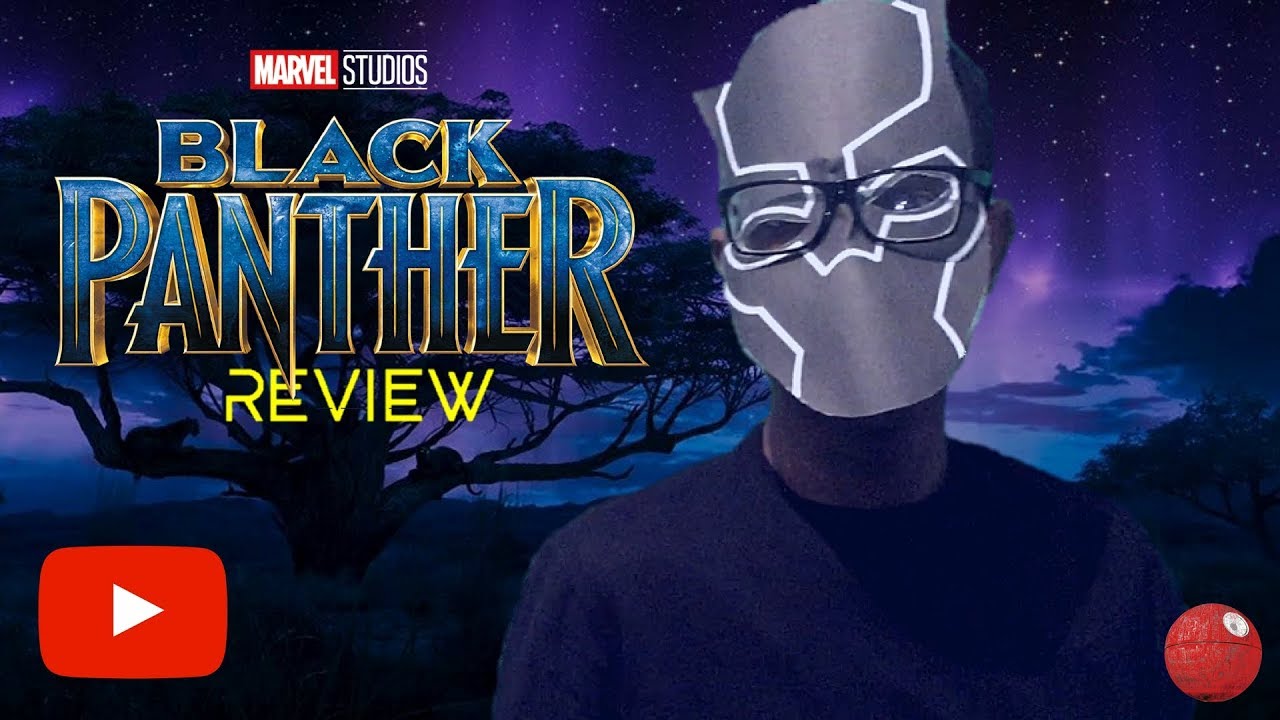
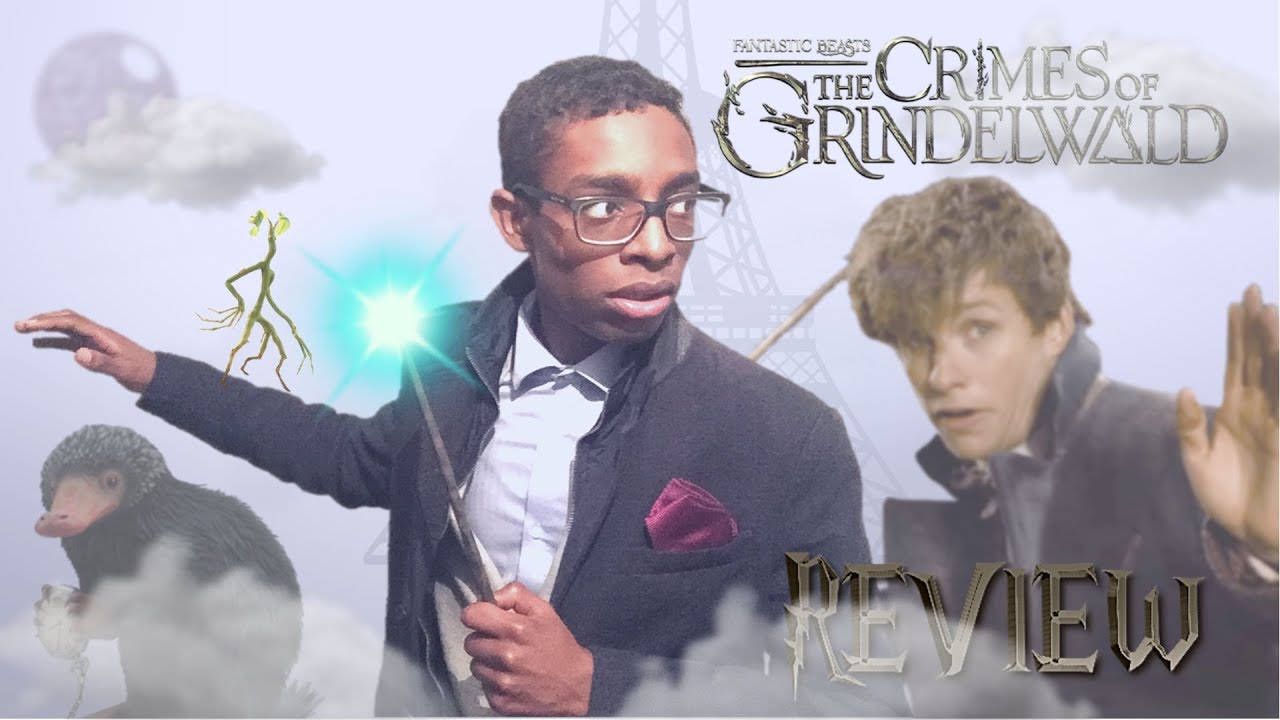


bottom of page